Skip to content

Results & Reports

Available Reports

Mobility Guide

Explore the IBB PAS International Mobility Guide, host lab evaluations, practical tips, and actionable insights for early-career researchers, funded by NAWA PROM.

Date added: 30.10.2026

Raport podsumowujący projekt PROM

Opis rezultatów dwukierunkowej wymiany akademickiej w ramach projektu PROM

Date added: 30.10.2026

Summary of the Prom project

Synthesis of the results of two-way academic exchange within the PROM project

Date added: 30.10.2026

AI guidebook

AI in Molecular Biology, Biochemistry, and Biophysics

Date added: 30.10.2026

Participant Experiences

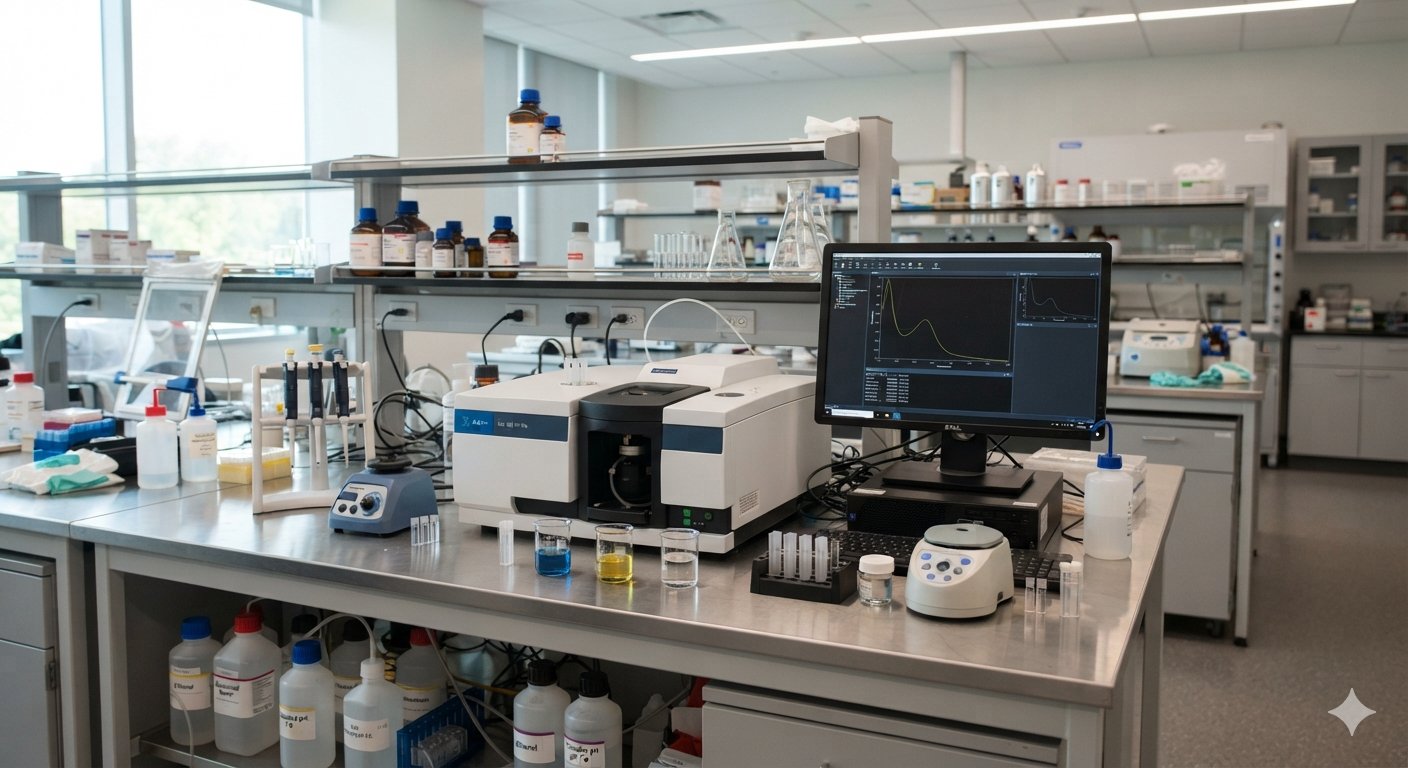
New microscopy techniques
University of the Balearic Islands (UIB) in Mallorca

New microscopy techniques

My research visit was exceptionally fruitful, as I gained new practical skills, expanded my knowledge, and developed new collaboration. During my stay, I had the great opportunity to learn directly from experts and acquire hands-on experience in the analysis of the cancer cell secretome using mass spectrometry technique. I also learned about new methods for investigating the cancer microenvironment. Moreover, scientific discussions and international networking provided a fantastic opportunity for my professional growth and strong boost of inspiration.

Read more: New microscopy techniques
AM

Alicja Mazan Bury

PhD Student • IBB PAN

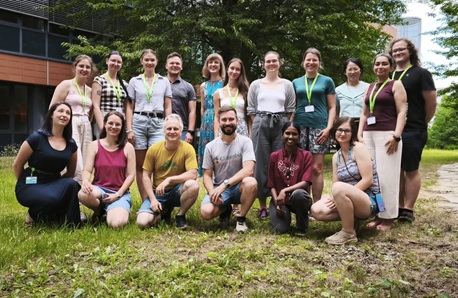
Potatos and resistance
Training: Plant Pathology 2026 (PPATH2026) and Early Careers Plant Pathology 2026 (ECPP2026)

Potatos and resistance

Some potato varieties possess a natural defense system, called extreme resistance (ER), that can stop a virus almost completely, without sacrificing any of their own cells. We study a potato immune receptor called Rysto, which recognises potato virus Y and switches on this resistance. Our work shows the plant does not wait passively: in plants carrying Rysto, the defense machinery is already positioned at the cell surface before the virus arrives, and the receptor moves within minutes of recognition to the channels through which viruses travel between cells. At Plant Pathology 2026 in Norwich, I presented these results to an international audience and discussed how to measure the first signals the receptor sends. Meeting colleagues working on related receptors opened the way to adopting a new imaging method in our laboratory in Warsaw. Understanding how a plant defends itself so efficiently, without damaging its own tissue, is a step towards crops that resist disease without chemical protection.

Read more: Potatos and resistance
MG

Marta Grech Baran

Research staff • IBB PAN

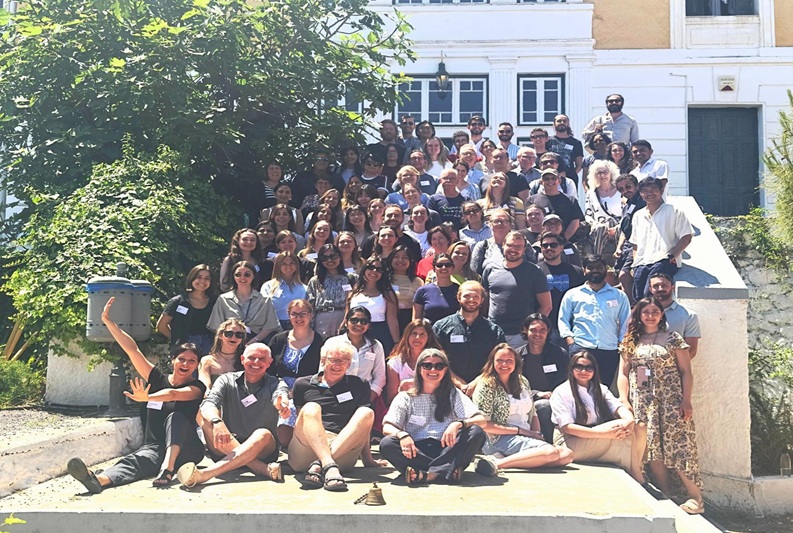
Membranes and their Lipids and Proteins in Organelle Biogenesis training
Anargyrios and Korgialenios School of Spetses

Membranes and their Lipids and Proteins in Organelle Biogenesis training

The mobility experience provided me an excellent opportunity to learn, connect, collaborate and communicate with leading scientists from different part of the world. The lecture course was designed in an interactive set up with extensive lectures, mentoring lunches & dinners, poster session and engaging discussions within an informal atmosphere. All these interactive activities extremely helpful for us to communicate openly and build friendship outside the lab premises, allowing the early career researchers to develop valuable social and professional bonds. At the end of lecture series, a career discussion was organized with interactive questions and answers series with established principle investigators (PIs), where the PIs shared their own experiences and answered critical questions which will surely help each participant to shape their career and strengthen their scientific motivation. The program also included an innovative discussion about the challenges women faces in science and how these challenges might be mitigated in future, which helped me to understand the realities and to plan my professional path accordingly

Read more: Membranes and their Lipids and Proteins in Organelle Biogenesis training
AK

Asma Kanon Hashi

PhD Student • IBB

Dark Proteome Summer School in Singapore
Non-Canonical Proteome Project (ncPP) and the TransCODE Consortium

Dark Proteome Summer School in Singapore

During the Dark Proteome Summer School in Singapore, I explored a rapidly developing area of biology: the “hidden” part of our genome that can produce very small, previously overlooked proteins. Although these microproteins are often missed by standard methods, they may have important roles in regulating how cells work. The training introduced modern approaches for finding and confirming such proteins, including methods that analyse which parts of RNA are translated into proteins and advanced mass-spectrometry techniques. This knowledge is particularly relevant to my research on mitochondria-the cell’s energy-producing structures-and may help identify small proteins involved in their biology. The mobility also enabled valuable discussions with researchers from different scientific backgrounds and helped establish international contacts that may lead to future collaborations.

Read more: Dark Proteome Summer School in Singapore
AP

Anna Paszek

Research staff • IBB

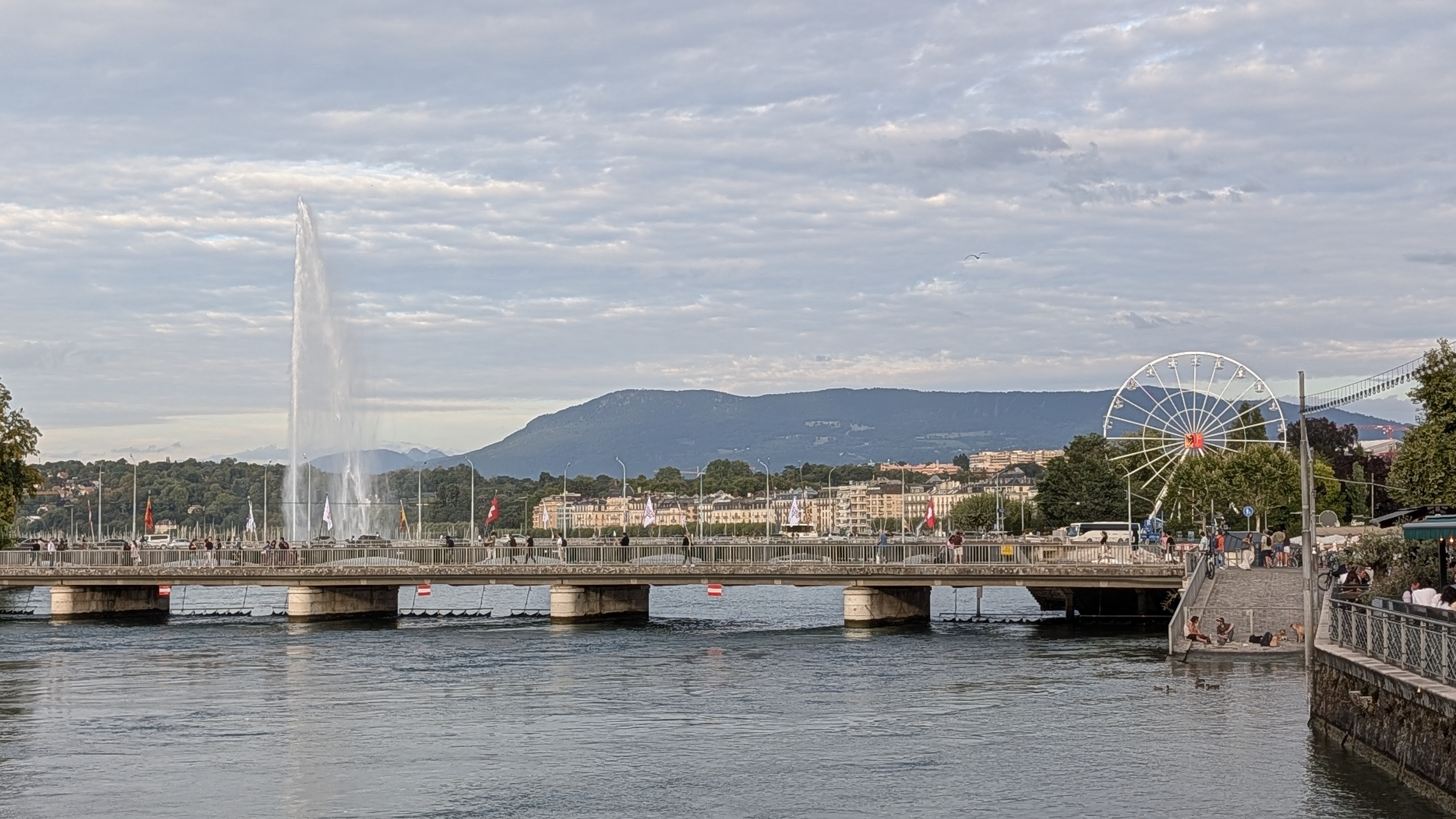
AI in medicine
Swiss Institute of Bioinformatics (SIB), Geneva, Switzerland

AI in medicine

During my academic stay in Geneva at the 25th European Conference on Computational Biology (ECCB 2026), I presented my research on utilizing artificial intelligence to improve drug-target interaction predictions. The conference highlighted key advancements in AI, computational medicine, and biological data integration. I also completed an intensive workshop on analyzing 3D protein structures using Protein Data Bank in Europe (PDBe) resources and AlphaFold predictions. Attending key presentations on multimodal learning and discussing computational methods with an international scientific community provided valuable insights that will directly enhance the algorithms developed in my doctoral research.

Read more: AI in medicine
DS

Damian Sztuczka

PhD Student • IBB

Exploring the world of advanced light microscopy
Cellular Imaging Core Facility (CELLIM CF) Ceitec MU, Brno

Exploring the world of advanced light microscopy

Thanks to support from the PROM Programme of the Polish National Agency for Academic Exchange (NAWA), I had the opportunity to participate in the Fundamentals of Light Microscopy course organized by the Cellular Imaging Core Facility (CELLIM) at CEITEC Masaryk University in Brno.

During the three-day training, I learned the fundamentals of transmitted light and fluorescence microscopy, confocal imaging, image acquisition, and quantitative image analysis. The course combined theoretical lectures with practical sessions using professional microscopy and image analysis software, providing valuable hands-on experience and insights into current imaging technologies.

The knowledge and practical skills I gained will help me apply advanced microscopy techniques more effectively in my research and improve the quality and reproducibility of microscopy-based experiments. Equally valuable was the opportunity to exchange ideas with experts from the CELLIM Core Facility, establishing new professional contacts and opening possibilities for future collaboration.

I am grateful to NAWA for supporting international researcher mobility and to the CELLIM team at CEITEC Masaryk University for organizing such an inspiring and practical course.

Read more: Exploring the world of advanced light microscopy
SS

Shadi Setayeshi

PhD student • IBB

Show more