Skip to content

Results & Reports

Available Reports

Mobility Guide

Explore the IBB PAS International Mobility Guide, host lab evaluations, practical tips, and actionable insights for early-career researchers, funded by NAWA PROM.

Date added: 30.10.2026

Raport podsumowujący projekt PROM

Opis rezultatów dwukierunkowej wymiany akademickiej w ramach projektu PROM

Date added: 30.10.2026

Summary of the Prom project

Synthesis of the results of two-way academic exchange within the PROM project

Date added: 30.10.2026

AI guidebook

AI in Molecular Biology, Biochemistry, and Biophysics

Date added: 30.10.2026

Participant Experiences

New microscopy techniques
University of the Balearic Islands (UIB) in Mallorca

New microscopy techniques

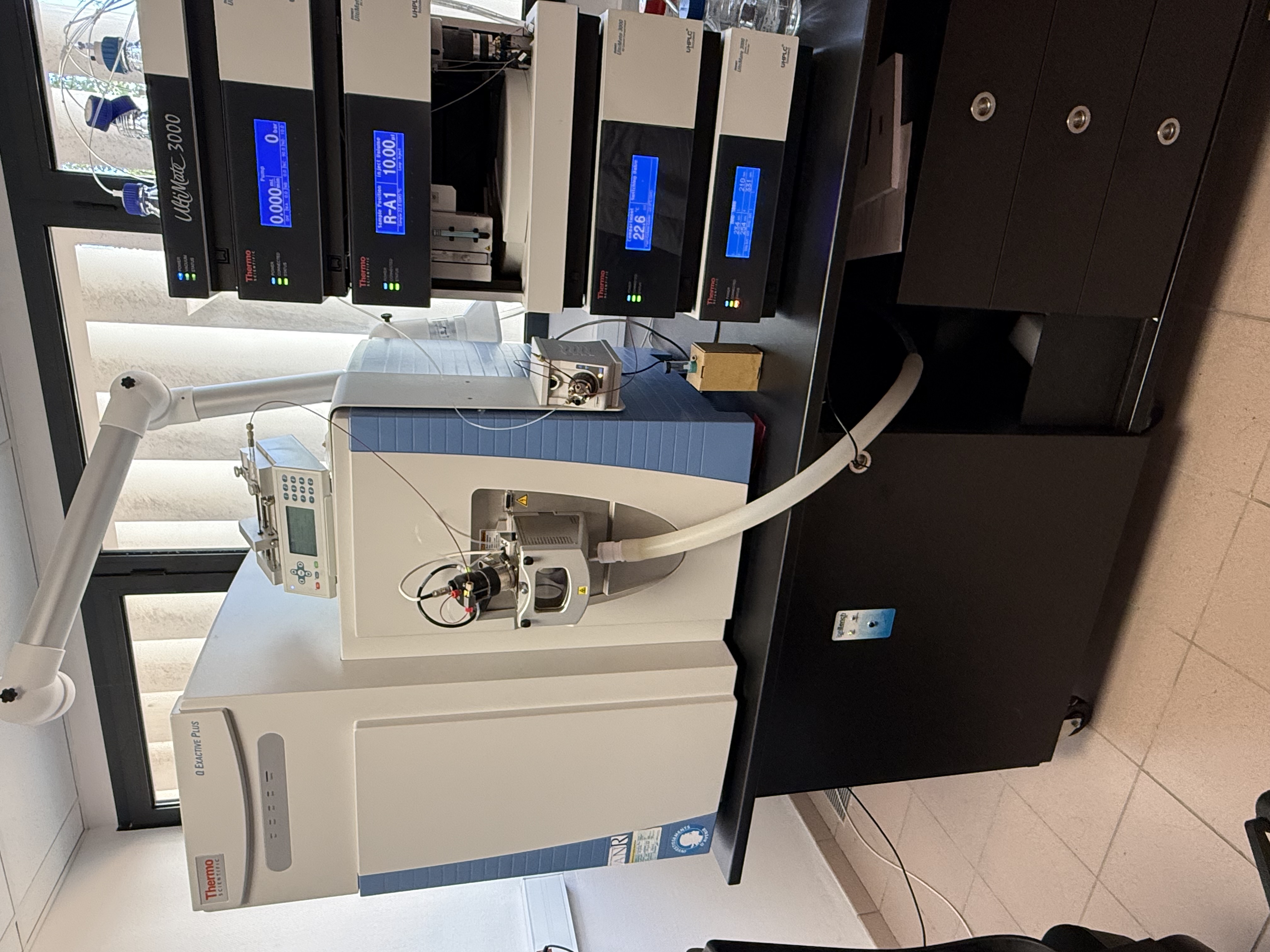
My research visit was exceptionally fruitful, as I gained new practical skills, expanded my knowledge, and developed new collaboration. During my stay, I had the great opportunity to learn directly from experts and acquire hands-on experience in the analysis of the cancer cell secretome using mass spectrometry technique. I also learned about new methods for investigating the cancer microenvironment. Moreover, scientific discussions and international networking provided a fantastic opportunity for my professional growth and strong boost of inspiration.

Read more: New microscopy techniques
AM

Alicja Mazan Bury

PhD Student • IBB PAN

Potatos and resistance
Training: Plant Pathology 2026 (PPATH2026) and Early Careers Plant Pathology 2026 (ECPP2026)

Potatos and resistance

Some potato varieties possess a natural defense system, called extreme resistance (ER), that can stop a virus almost completely, without sacrificing any of their own cells. We study a potato immune receptor called Rysto, which recognises potato virus Y and switches on this resistance. Our work shows the plant does not wait passively: in plants carrying Rysto, the defense machinery is already positioned at the cell surface before the virus arrives, and the receptor moves within minutes of recognition to the channels through which viruses travel between cells. At Plant Pathology 2026 in Norwich, I presented these results to an international audience and discussed how to measure the first signals the receptor sends. Meeting colleagues working on related receptors opened the way to adopting a new imaging method in our laboratory in Warsaw. Understanding how a plant defends itself so efficiently, without damaging its own tissue, is a step towards crops that resist disease without chemical protection.

Read more: Potatos and resistance
MG

Marta Grech Baran

Research staff • IBB PAN

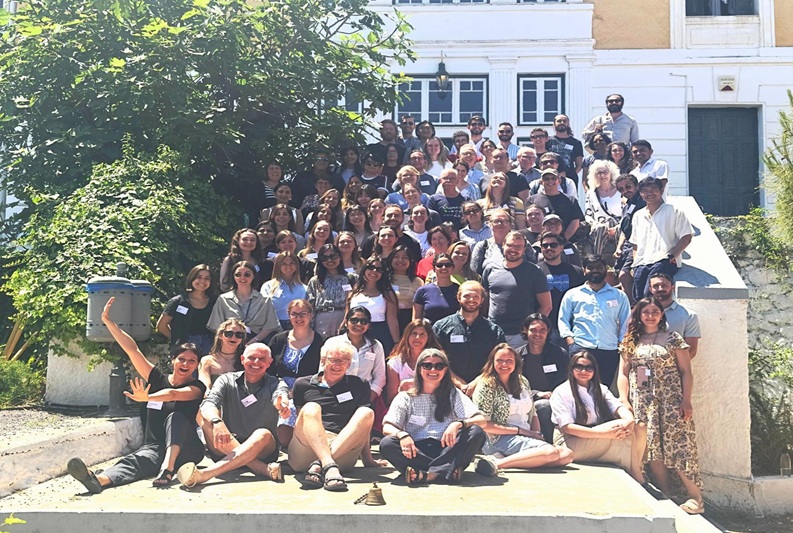
Membranes and their Lipids and Proteins in Organelle Biogenesis training
Anargyrios and Korgialenios School of Spetses

Membranes and their Lipids and Proteins in Organelle Biogenesis training

The mobility experience provided me an excellent opportunity to learn, connect, collaborate and communicate with leading scientists from different part of the world. The lecture course was designed in an interactive set up with extensive lectures, mentoring lunches & dinners, poster session and engaging discussions within an informal atmosphere. All these interactive activities extremely helpful for us to communicate openly and build friendship outside the lab premises, allowing the early career researchers to develop valuable social and professional bonds. At the end of lecture series, a career discussion was organized with interactive questions and answers series with established principle investigators (PIs), where the PIs shared their own experiences and answered critical questions which will surely help each participant to shape their career and strengthen their scientific motivation. The program also included an innovative discussion about the challenges women faces in science and how these challenges might be mitigated in future, which helped me to understand the realities and to plan my professional path accordingly

Read more: Membranes and their Lipids and Proteins in Organelle Biogenesis training
AK

Asma Kanon Hashi

PhD Student • IBB

Dark Proteome Summer School in Singapore
Non-Canonical Proteome Project (ncPP) and the TransCODE Consortium

Dark Proteome Summer School in Singapore

During the Dark Proteome Summer School in Singapore, I explored a rapidly developing area of biology: the “hidden” part of our genome that can produce very small, previously overlooked proteins. Although these microproteins are often missed by standard methods, they may have important roles in regulating how cells work. The training introduced modern approaches for finding and confirming such proteins, including methods that analyse which parts of RNA are translated into proteins and advanced mass-spectrometry techniques. This knowledge is particularly relevant to my research on mitochondria-the cell’s energy-producing structures-and may help identify small proteins involved in their biology. The mobility also enabled valuable discussions with researchers from different scientific backgrounds and helped establish international contacts that may lead to future collaborations.

Read more: Dark Proteome Summer School in Singapore
AP

Anna Paszek

Research staff • IBB

AI in medicine
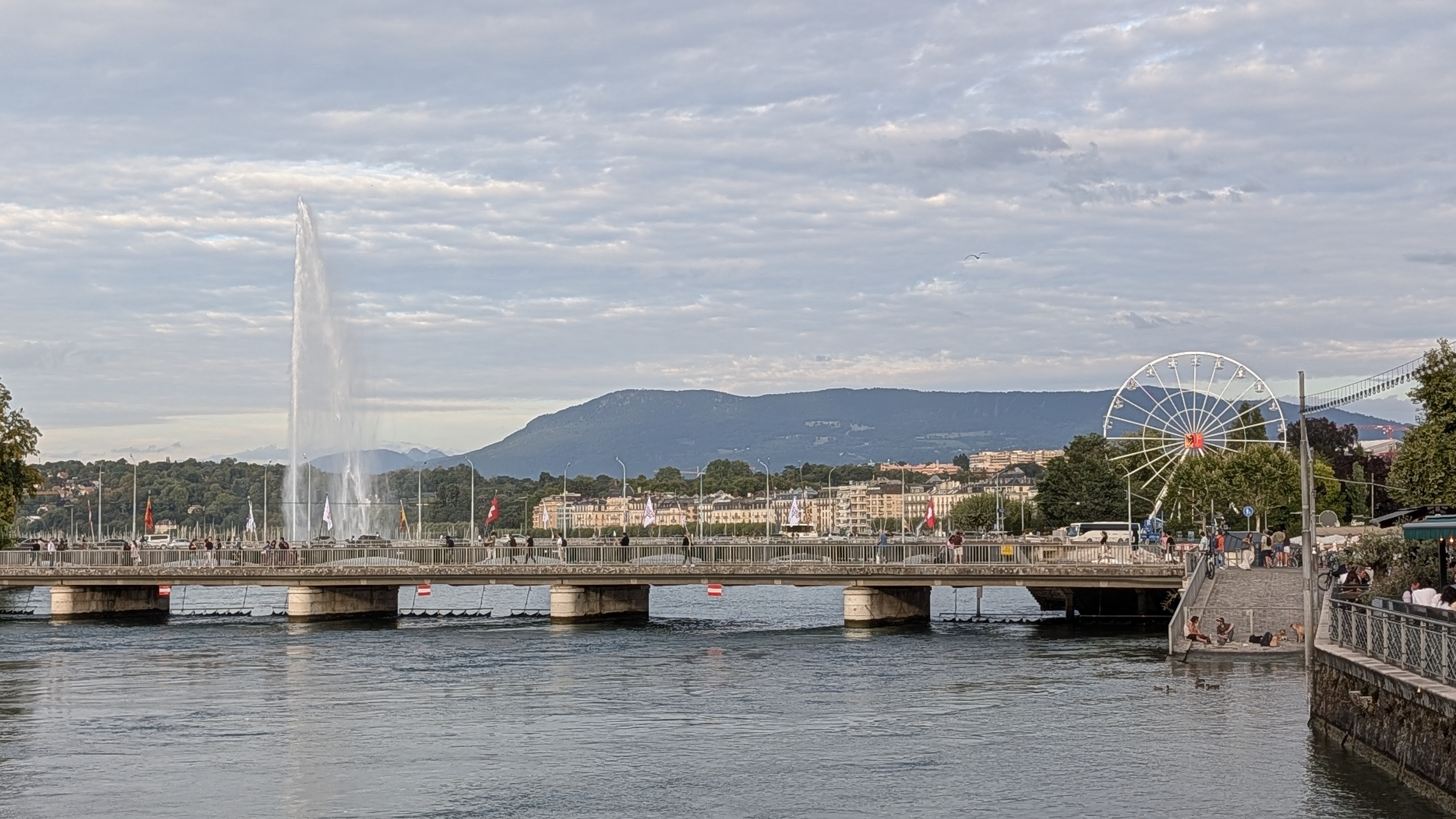
Swiss Institute of Bioinformatics (SIB), Geneva, Switzerland

AI in medicine

During my academic stay in Geneva at the 25th European Conference on Computational Biology (ECCB 2026), I presented my research on utilizing artificial intelligence to improve drug-target interaction predictions. The conference highlighted key advancements in AI, computational medicine, and biological data integration. I also completed an intensive workshop on analyzing 3D protein structures using Protein Data Bank in Europe (PDBe) resources and AlphaFold predictions. Attending key presentations on multimodal learning and discussing computational methods with an international scientific community provided valuable insights that will directly enhance the algorithms developed in my doctoral research.

Read more: AI in medicine
DS

Damian Sztuczka

PhD Student • IBB

Exploring the world of advanced light microscopy
Cellular Imaging Core Facility (CELLIM CF) Ceitec MU, Brno

Exploring the world of advanced light microscopy

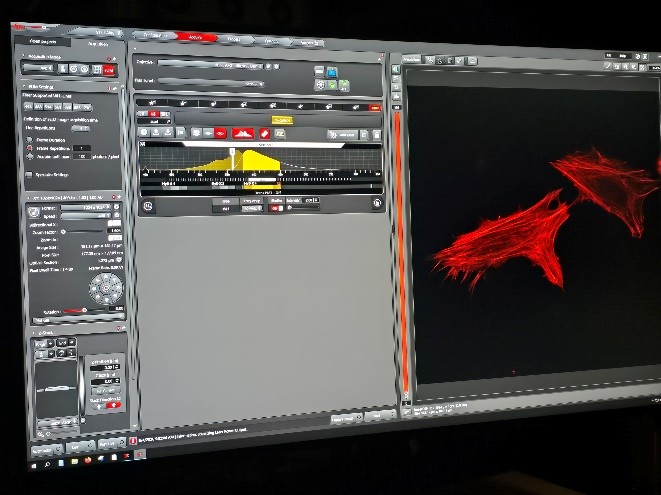
Thanks to support from the PROM Programme of the Polish National Agency for Academic Exchange (NAWA), I had the opportunity to participate in the Fundamentals of Light Microscopy course organized by the Cellular Imaging Core Facility (CELLIM) at CEITEC Masaryk University in Brno.

During the three-day training, I learned the fundamentals of transmitted light and fluorescence microscopy, confocal imaging, image acquisition, and quantitative image analysis. The course combined theoretical lectures with practical sessions using professional microscopy and image analysis software, providing valuable hands-on experience and insights into current imaging technologies.

The knowledge and practical skills I gained will help me apply advanced microscopy techniques more effectively in my research and improve the quality and reproducibility of microscopy-based experiments. Equally valuable was the opportunity to exchange ideas with experts from the CELLIM Core Facility, establishing new professional contacts and opening possibilities for future collaboration.

I am grateful to NAWA for supporting international researcher mobility and to the CELLIM team at CEITEC Masaryk University for organizing such an inspiring and practical course.

Read more: Exploring the world of advanced light microscopy
SS

Shadi Setayeshi

PhD student • IBB

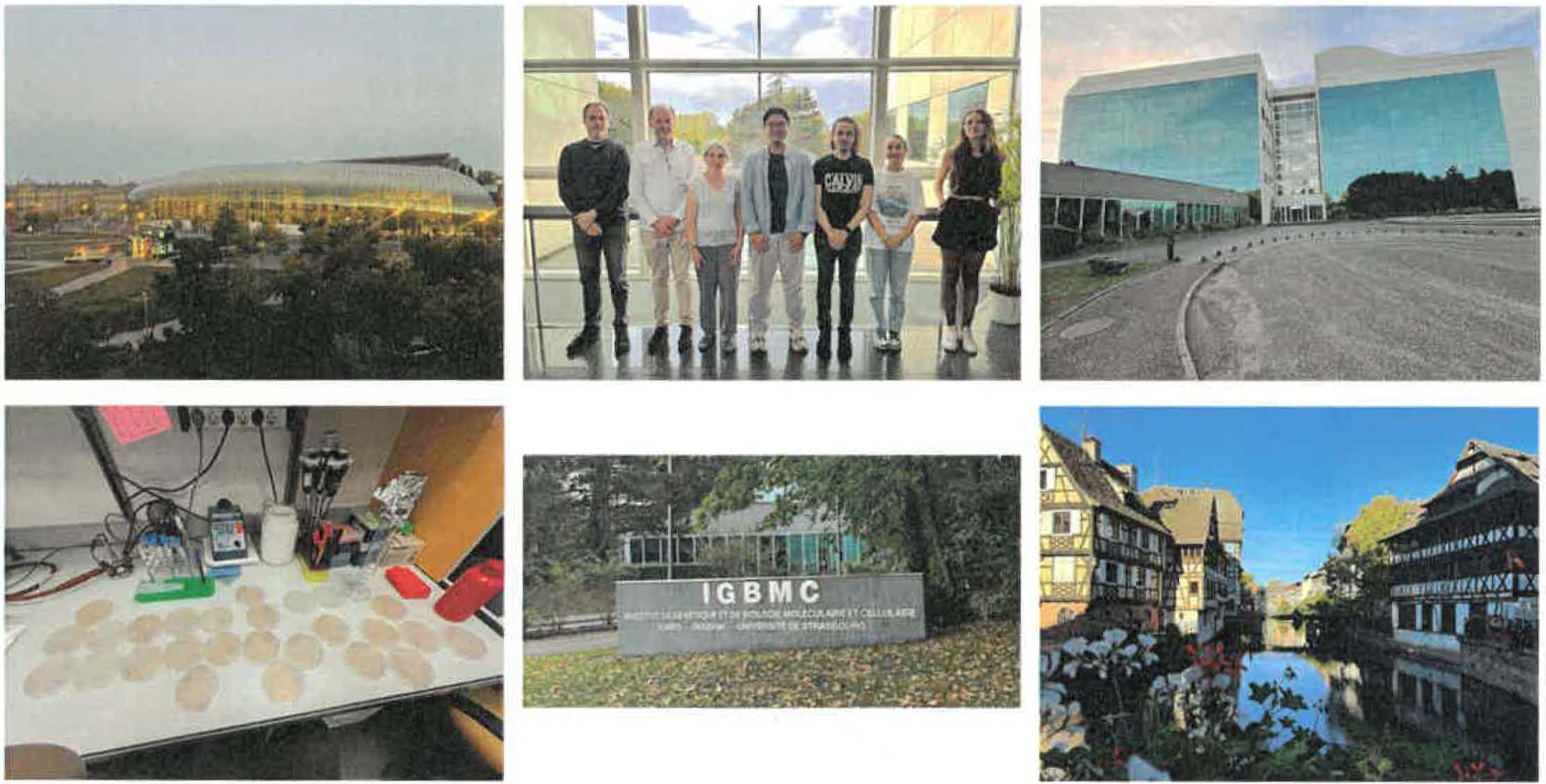
Study visit - research on La Crosse virus
lnstitut de Genetique et de Biologie Moleculaire et Cellulaire (IGBMC)

Study visit - research on La Crosse virus

Viruses are small and cannot live on their own, so they take what they need from the cells they infect. La Crosse virus, carried by mosquitoes and capable of causing brain inflammation, shuts down the protein production of its host cell while keeping its own production running. How it manages that double trick is still largely unknown.

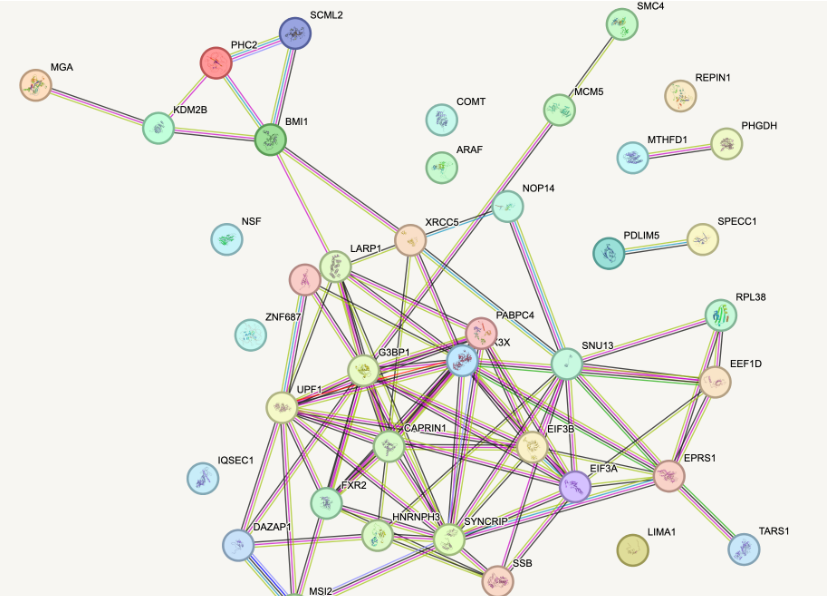
For one month, I worked with Dr Bertrand Seraphin at the IGBMC in Strasbourg, a leading group in mRNA metabolism. I tested whether a viral protein, the nucleoprotein, latches onto PABPCl, a host protein that marks messenger RNAs as ready to be read and protects them from destruction. Using a yeast genetic system, I searched for the region of PABPCl involved. I then purified both proteins and brought them together in a test tube, where their effects can be seen directly, without the noise of a living cell.

Besides the data, I gained new techniques, built a wider network, and came back with the confidence to take my work further.

Read more: Study visit - research on La Crosse virus
ME

Moh Egy Firadus

PhD Student • IBB

Research internship - how cells make decisions?
Zentrum für Molekulare Biologie der Universität Heidelberg

Research internship - how cells make decisions?

How cells decide which genes to switch on or off is one of the fundamental questions in biology. During my research visit to Heidelberg, I investigated this problem using engineered yeast strains, a model organism that helps scientists understand processes common to many living organisms. I learned advanced experimental techniques to characterise genetically engineered yeast strains and studied how genome organisation influences gene activity and cell growth. Working alongside researchers from different scientific backgrounds and ethnicity gave me valuable experience in international scientific collaboration and networking in person. It also exposed me to new approaches to experimental design and data interpretation. The mobility strengthened my doctoral research, established new scientific collaborations, and will contribute to future publications on passive gene regulation.

Read more: Research internship - how cells make decisions?
PP

Partha Panda

PhD Student • IBB

Freeze-drying techniques  - hands on training
Leibniz Institute DSMZ- German Collection of Microorganisms and Cell Cultures GmbH

Freeze-drying techniques - hands on training

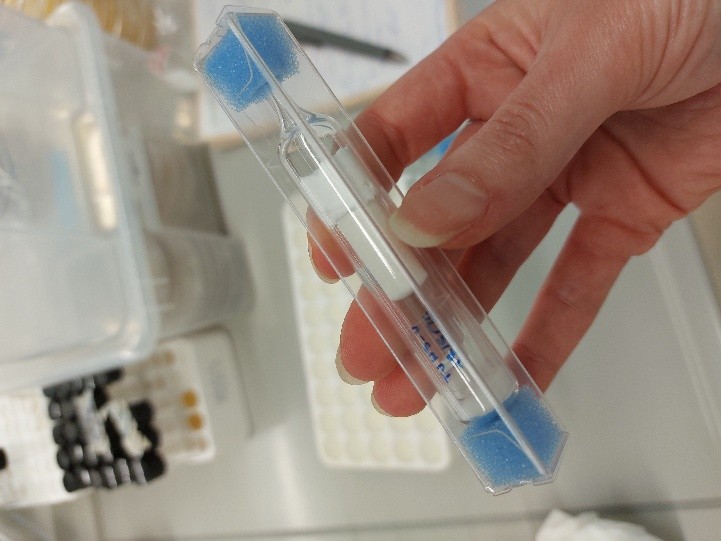
During my research stay at the DSMZ, one of Europe’s largest biological resource centres (BRC), I learned how bacteriophages (viruses that specifically infect bacteria) and their bacterial hosts can be preserved for decades while maintaining their activity. I received hands-on training in freeze-drying techniques for preserving these valuable biological resources and gained insight into the quality standards, procedures, and regulatory requirements that ensure their long-term reliability. These practices enable BRCs to maintain and distribute high-quality materials that support scientific research worldwide.

The mobility expanded my practical skills and knowledge in phage preservation and will support the development of similar preservation strategies here at IBB, contributing to future research on bacteriophages and their interactions with bacteria. In addition, the stay enabled valuable scientific exchange, international networking, and the establishment of a future collaboration.

Read more: Freeze-drying techniques - hands on training
LW

Laura Wicke- Ryan

Research Staff • IBB

Research on cell membranes
Weill Cornell Medicine, Department of Biochemistry & Biophysics USA

Research on cell membranes

During my scientific visit at Weill Cornell Medicine, I carried out preliminary studies aimed at investigating how special lipid molecules called polyisoprenoids influence the properties of biological membranes. Cell membranes are essential structures that control communication between cells and their environment, and their organization plays an important role in many biological processes.

Using advanced fluorescence-based techniques and model membrane systems, I analysed how polyisoprenoids may affect membrane fluidity and lipid organization. The obtained preliminary results may contribute to a better understanding of membrane dynamics and cellular adaptation mechanisms.

The mobility allowed me to gain practical experience with modern experimental methods, improve my laboratory and analytical skills, and work in an international scientific environment. The visit also enabled me to establish valuable collaborations with researchers abroad and to gain inspiration for future research projects.

Read more: Research on cell membranes
AW

Aleksandra Weremczuk

Research Staff • IBB

Research Internship - new experimental methods
The University of Edinburgh

Research Internship - new experimental methods

During the one-month research visit, I had the opportunity to work in a collaborative international research environment. The host laboratory provided well-documented, intuitive computational resources and modern, well-maintained experimental facilities. The group was very supportive, providing guidance and practical help when needed.

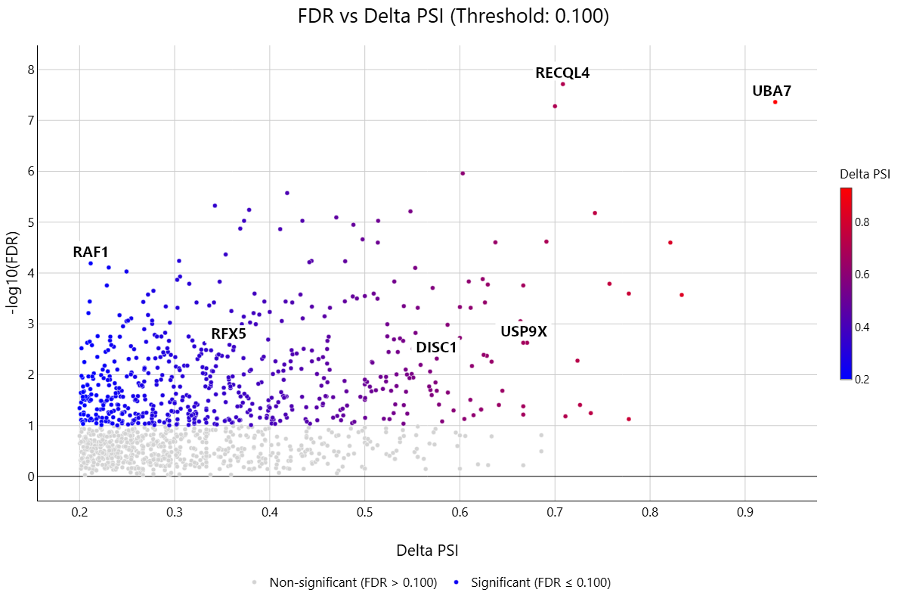
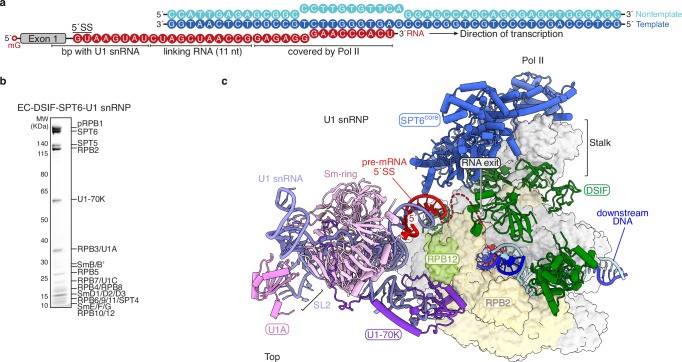
The visit improved my bioinformatics skills and expanded my knowledge of the minor spliceosome. I also gained practical experience with experimental validation methods that were new to me. The analysis provided a broader view of the splicing events identified in the study, while selected results were further validated using RT-PCR. Several relevant alternative splicing events and their associated genes were also examined. The experience strengthened international networking and collaboration and provided ideas for improving the bioinformatic tool I am developing. It also created opportunities for future collaboration between the two laboratories. This made the mobility experience an all- round development of important research skills.

Read more: Research Internship - new experimental methods
RE

Raymie Edgar Camacho

PhD Student • IBB

Research on genetic and environmental factors interaction
Institute of Cell Biology, University of Bern

Research on genetic and environmental factors interaction

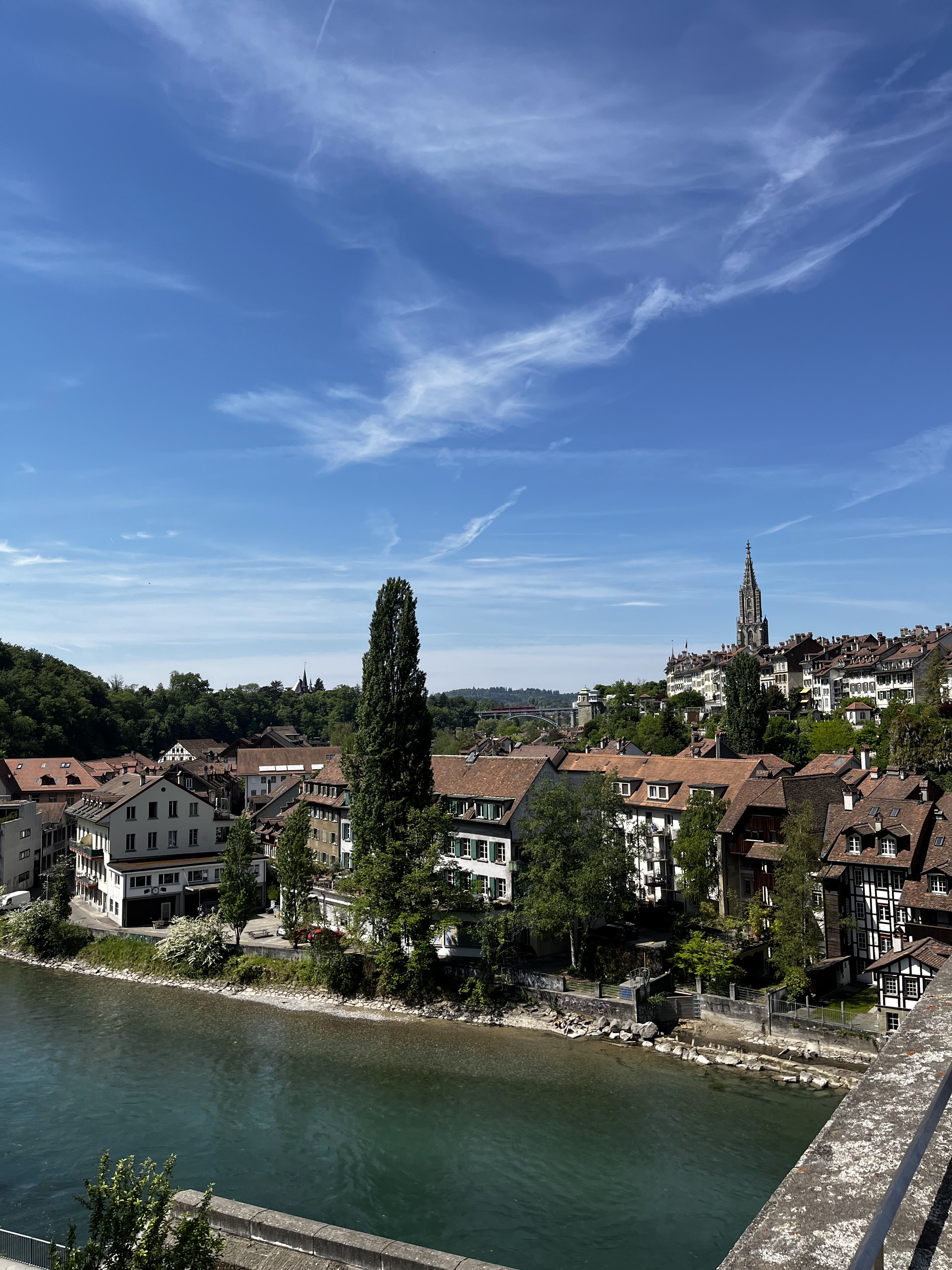
During a research internship at the Organismal Systems Biology Laboratory at the University of Bern, I explored how tiny biological particles called exophers may influence the health and development of future generations in the microscopic roundworm Caenorhabditis elegans, a widely used model organism in biological research. The project focused on a genetic variant lacking a small regulatory molecule, microRNA-42 (miR-42), and examined whether changes in exopher production could affect how offspring grow and develop.

Using automated imaging and growth-monitoring technologies, I tracked the development of hundreds of young worms and compared offspring from normal and mutant parents under both standard laboratory conditions and mild heat stress. This approach allowed me to investigate how genetic and environmental factors interact to shape growth and developmental processes.

The internship provided hands-on experience with state-of-the-art quantitative phenotyping methods and large-scale biological data analysis. By examining growth trajectories, developmental timing, and body-size relationships, I gained insight into how organisms maintain robust development despite genetic differences and environmental challenges. The findings indicate that the miR-42 mutation may cause subtle developmental delays when animals experience mild heat stress, while overall growth patterns remain remarkably stable.

Beyond contributing valuable results to my PhD research, the internship highlighted broader questions about how organisms adapt to stress and pass biological information across generations. It also strengthened scientific collaboration between the Institute of Biochemistry and Biophysics of the Polish Academy of Sciences (IBB PAS) and the University of Bern, while providing training in modern experimental and computational approaches used to study development, genetics, and organismal resilience.
Read more: Research on genetic and environmental factors interaction
SV

Satya Vadlamani

PhD Student • IBB

Research Internship - fine tuning experiments
Institute of Analytical Sciences and Physico-Chemistry for Environment and Materials

Research Internship - fine tuning experiments

During my research internship in France, I investigated how glutathione interacts with copper and how these interactions are affected by silver ions. The stay allowed me to obtain valuable experimental results, develop my analytical skills and gain experience working in an international research environment. Discussions with researchers from the host institution provided an opportunity to exchange knowledge and different perspectives on scientific problems. The research organization and supervision practices were similar to these at IBB. Overall, the experience contributed to my scientific development, increased my confidence in independent research and

Read more: Research Internship - fine tuning experiments
PS

Paulina Szczerba

PhD Student • IBB

Workshop/Conference
Brasenose College, Oxford / EMBO

Workshop/Conference

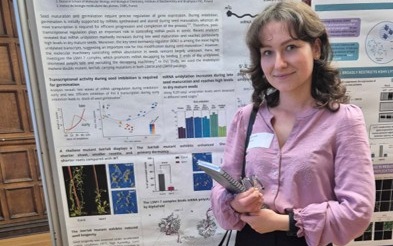
Attending the “3’end and Beyond” EMBO Workshop in Oxford gave me a wonderful opportunity to present the results of my project during a poster session. I received valuable feedback from experts, which helped me view my project from different perspectives. During the lecture sessions, I learned about new techniques that I can apply to my research and expanded my knowledge of RNA processing and post-transcriptional modification. I also learned about new, unpublished findings that offered fresh perspectives on the mechanisms of RNA metabolism and their biological effects. The conference was also a great opportunity to make new connections with researchers and strengthen my social skills, both during my presentation and through conversations with other participants. I had the chance to meet and discuss ideas with researchers whom I had previously known only as the authors of papers. I came away feeling energised and motivated to keep moving forward.

Read more: Workshop/Conference
MA

Martyna Adach

PhD Student • IBB

Conference
Gesellschaft für Virologie-German Society of Virology (GfV), Heidelberg University, Germany

Conference

I participated in the 35th Annual Meeting of the Gesellschaft für Virologie (GfV) in Heidelberg, where I presented my postdoctoral research on early coronavirus replication kinetics. The meeting offered valuable scientific discussions, expert feedback, and new perspectives on virus–host interactions and RNA biology. I exchanged methodological insights on strand-specific RNA analysis and early infection dynamics that will directly strengthen my ongoing research at the Institute of Biochemistry and Biophysics PAS. The event also provided excellent networking opportunities with international virologists and early-career researchers. This mobility enabled me to receive constructive feedback that will support the further development of my current project and future research directions.

Read more: Conference
AE

Ahmed Eisa ELHAG

Research staff • IBB

How DNA organization shapes cellular functions
University of Edinburgh

How DNA organization shapes cellular functions

Although DNA is often presented as a simple instruction manual for life, it is in fact a highly dynamic molecule that must be carefully organized and regulated inside cells. When a gene is activated, the process of reading DNA can generate mechanical stress that changes the shape and properties of the DNA molecule. These structural changes can influence how easily nearby regions of DNA can be accessed and, consequently, how neighbouring genes are regulated.

During the research placement, I learned and applied advanced laboratory approaches to detect and map changes in DNA structure across the human genome. By combining this information with maps of active genes, the research will provide new insights into how the activity of one gene can influence the activity of neighbouring genes. The knowledge and skills gained during this visit will contribute to my PhD research on how DNA organization shapes cellular functions.

Read more: How DNA organization shapes cellular functions
AB

Anna Badora

PhD Student • IBB

Towards development of new therapeutic and vaccine strategies.
ICMRBS 2026, Davos, Switzerland

Towards development of new therapeutic and vaccine strategies.

I had the opportunity to participate in ICMRBS 2026, an international conference bringing together researchers working with magnetic resonance techniques to understand how biological molecules function. I presented my PhD research on CPXV012, a viral protein that can interfere with the cellular immune response. The conference allowed me to learn about the latest approaches for studying proteins, their movements, and interactions with other molecules. I also exchanged ideas with researchers from different countries and gained new perspectives that can help me improve my current research. The experience strengthened my scientific communication and international networking skills and provided valuable inspiration for my future research and potential collaborations. Ultimately, understanding how viruses interact with host cells may contribute to the development of new therapeutic and vaccine strategies.

Read more: Towards development of new therapeutic and vaccine strategies.
BM

Behnaz Mirzaei Behbahani

PhD Student • IBB

Conference on Transcription and Chromatin
European molecular biology laboratory

Conference on Transcription and Chromatin

Attending the 17th EMBL Conference on Transcription and Chromatin in Heidelberg, Germany, provided a valuable platform to present my findings and receive constructive feedback from leading domain experts. Observing chromatin remodelling mechanisms across diverse model systems broadened my scientific perspective and enabled me to contextualize my research within the wider field of gene regulation, epigenetics and nuclear architecture. The event brought together principal investigators, early-career researchers, and bioinformaticians from top international institutions. Beyond the oral presentations, interactive poster sessions and discussions facilitated in-depth exchanges on unpublished methodologies and experimental troubleshooting. These interactions established professional connections with international research groups, laying the groundwork for future inter-institutional collaborations, resource sharing and joint grant applications.

Read more: Conference on Transcription and Chromatin
SB

Sargam Bharti

PhD Student • IBB

Modern laboratory methods can help discover new functions of proteins
Center for Cooperative Research in Biosciences (CIC bioGUNE)

Modern laboratory methods can help discover new functions of proteins

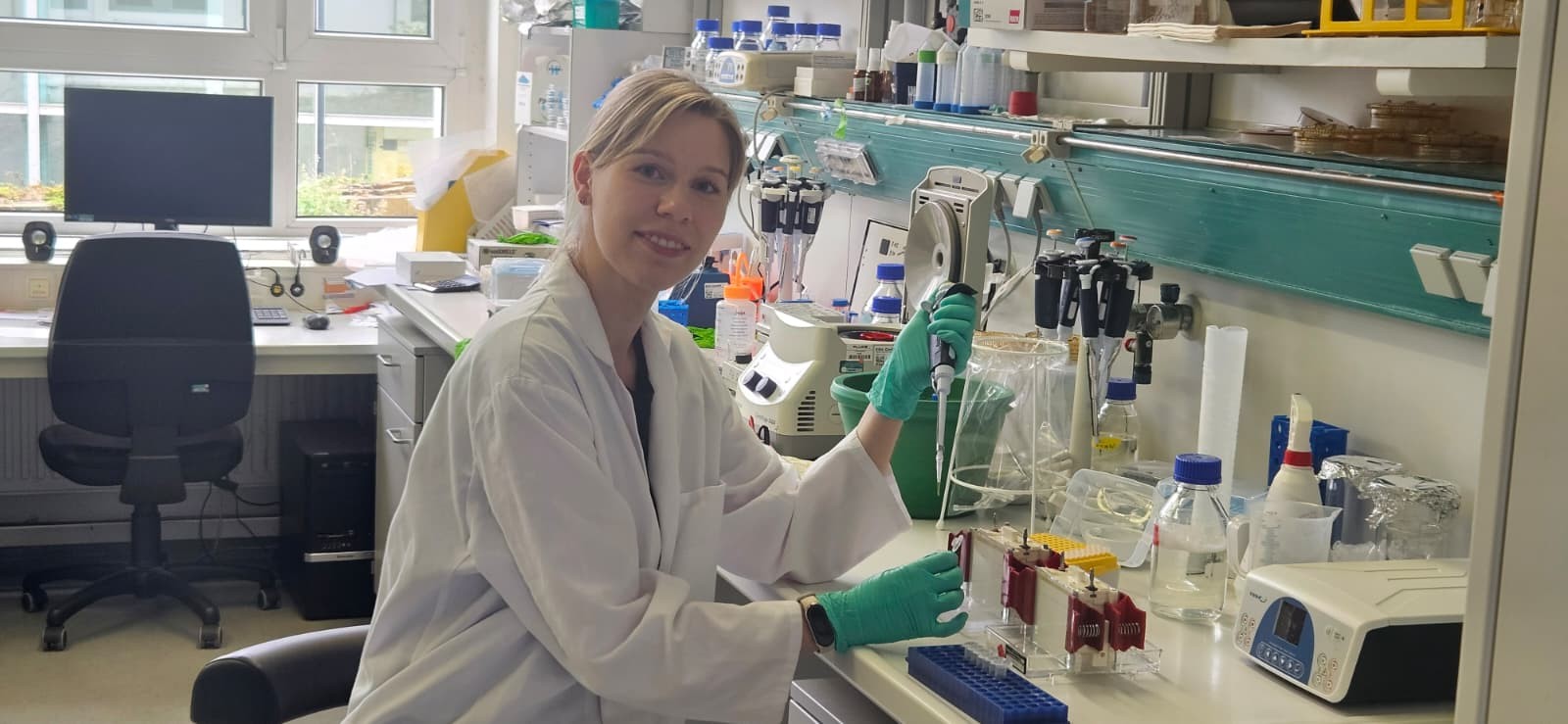
During my one-month research stay at CIC bioGUNE in Bilbao, I worked in the laboratory of Rosa Barrio and learned how modern laboratory methods can help discover new functions of proteins. I used the BioE3 technology developed in the host laboratory to study RNF2, a protein that controls the level of DNA polymerase Polι, which helps cells respond to DNA damage. After initial training from Rosa Barrio and James D. Sutherland, I performed experiments involving protein biotinylation, biochemical purification, confocal microscopy and sample preparation for mass spectrometry. The first results identified promising proteins for further study. The visit also showed me how an international research team plans experiments, solves problems and combines different methods to answer one scientific question. I returned to IBB with new skills, experimental data, reagents and an ongoing collaboration that will support my PhD research.

Read more: Modern laboratory methods can help discover new functions of proteins
BA

Bilal Ahmad Seh

PhD Student • IBB

Research Internship - closing the gap
Institute of Plant Molecular and Cellular Biology (IBMCP) – Valencia - Spain

Research Internship - closing the gap

My research visit to the Institute of Plant Molecular and Cellular Biology (IBMCP) in Valencia, Spain, was a great asset for both my career and my research group at IBB. By cooperating with Dr. Alberto Carbonell’s team, we bridged a vital gap in our expertise: while our group specializes in how proteins interact within plants, Dr. Carbonell’s team are experts in the world of nucleic acids, particularly RNA. This synergy is crucial for our study of HopBF1, a bacterial protein that hijacks plant immune system and promotes disease. We discovered that while HopBF1 starts its 'attack' on plant proteins, it also interferes with the plant’s RNA functions as well. Moreover, experiencing their cutting-edge techniques to study the gene function based on highly specific and efficient gene silencing was crucial to expand our research. Beyond the lab bench, immersing myself in a different organizational culture helped me identify new efficiencies to bring back to my own team. I returned not just with data and fresh ideas, but with a stronger international partnership and a clearer vision for our future research.

Read more: Research Internship - closing the gap
JC

Juan Camilo Ochoa Cabezas

Research staff • IBB

EMBO Workshop
European molecular Biology Organisation

EMBO Workshop

Attending the EMBO workshop in Oxford was an opportunity to explore how cells use genetic information. Researchers discussed how RNA—the working copy of DNA instructions—is processed and how this influences cell function. These topics are closely related to my doctoral research on how plants regulate their genes. Presenting my poster and exchanging ideas with international experts helped me look at my results from new perspectives and identify ideas for future experiments. The experience also improved my confidence in communicating science in English and helped me establish new scientific contacts. Beyond the lectures, informal conversations showed how sharing knowledge across disciplines and countries can help researchers tackle common questions. I returned with broader knowledge, useful feedback, and renewed motivation for my research.

Read more: EMBO Workshop
JC

Jakub Chalimoniuk

PhD Student • IBB

Antibiotic resistance, bacterial adaptation, and the clinical challenges
MDPI/sciforum

Antibiotic resistance, bacterial adaptation, and the clinical challenges

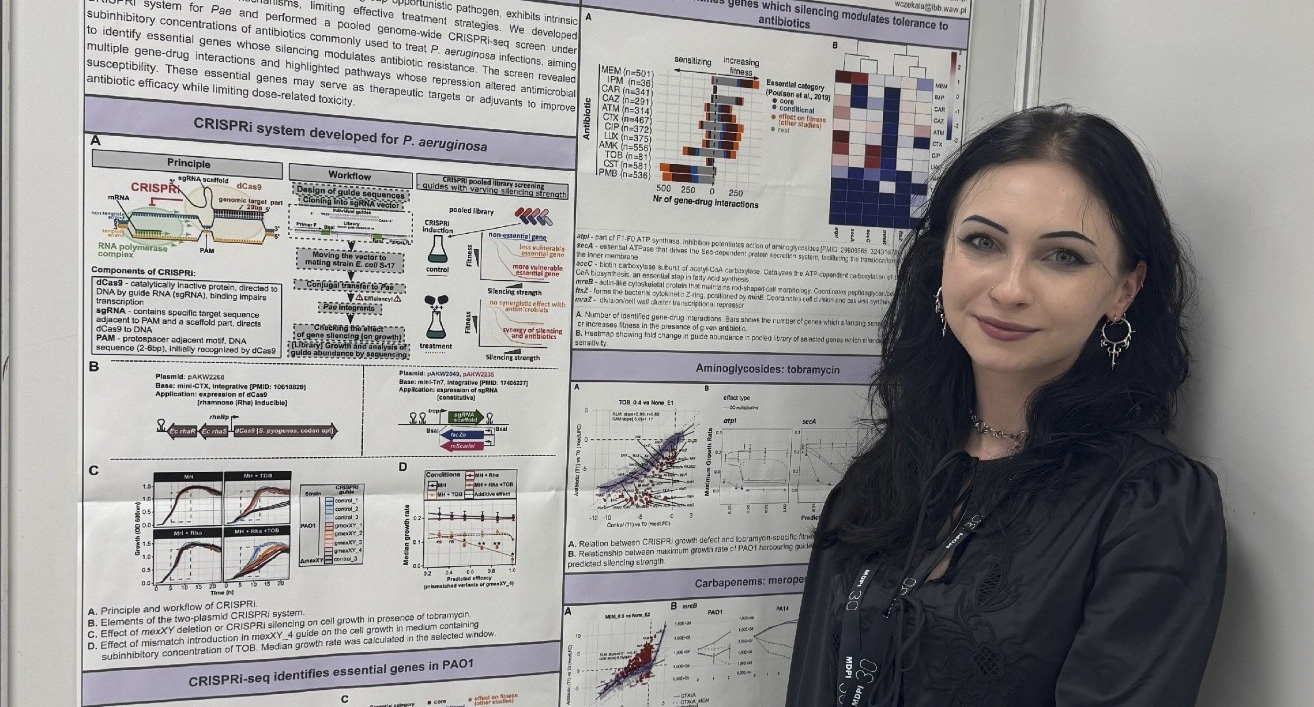
During my mobility at the Antibiotics 2026 conference, I broadened my knowledge of antibiotic resistance, bacterial adaptation, and the clinical challenges linked to difficult-to-treat infections. The conference highlighted the complexity of antimicrobial resistance and showed that it is not only a microbiological phenomenon, but also a major global public health issue shaped by antibiotic use, hospital transmission, environmental reservoirs, and the worldwide spread of resistance determinants. This was highly relevant to my PhD project, which concerns P. aeruginosa responses to antimicrobial pressure. Many topics showed how bacteria adapt to changing conditions and how this adaptation can reduce treatment efficacy. The clinical context helped me better understand the importance of identifying genes and pathways that modulate antibiotic susceptibility or resistance. It improved my ability to interpret current research trends, communicate scientific ideas, and plan future experiments with a stronger clinical perspective.

Read more: Antibiotic resistance, bacterial adaptation, and the clinical challenges
WC

Weronika Czekała

PhD Student • IBB

Hands - on training on modern microscopy techniques
van Leeuwehoek Centre for Advanced Microscopy (LCAM), University of Amsterdam

Hands - on training on modern microscopy techniques

The mobility experience provided an excellent opportunity to learn how modern microscopy techniques help scientists observe and understand processes occurring inside living cells. Through lectures and hands-on training, the instructors explained the principles behind different microscopy methods and demonstrated their applications using both live and fixed biological samples. Participants were given the opportunity to operate the instruments themselves, which greatly improved our understanding of the capabilities and limitations of each technique.

An especially valuable aspect of the program was the opportunity to discuss our own research projects with experts and fellow participants. Together, we explored how advanced imaging approaches could be used to address specific scientific questions and overcome experimental challenges. These discussions provided new ideas for future research and highlighted the importance of microscopy as a powerful tool for studying complex biological processes. The exchange also fostered collaboration and knowledge sharing among researchers from diverse scientific backgrounds.

Read more: Hands - on training on modern microscopy techniques
DC

Deepali Chaudhry

PhD Student • IBB

State-of-the-art sequencing techniques
Department of Biosciences, Faculty of Mathematics and Natural Sciences, University of Oslo, Norway

State-of-the-art sequencing techniques

Mitochondria are highly specialised organelles with their own genome. This small circular dsDNA molecule is transcribed in the form of two long transcripts and then processed into singular ones. This process is heavily controlled, to guarantee the stabilisation of correct and degradation of erroneous transcripts.

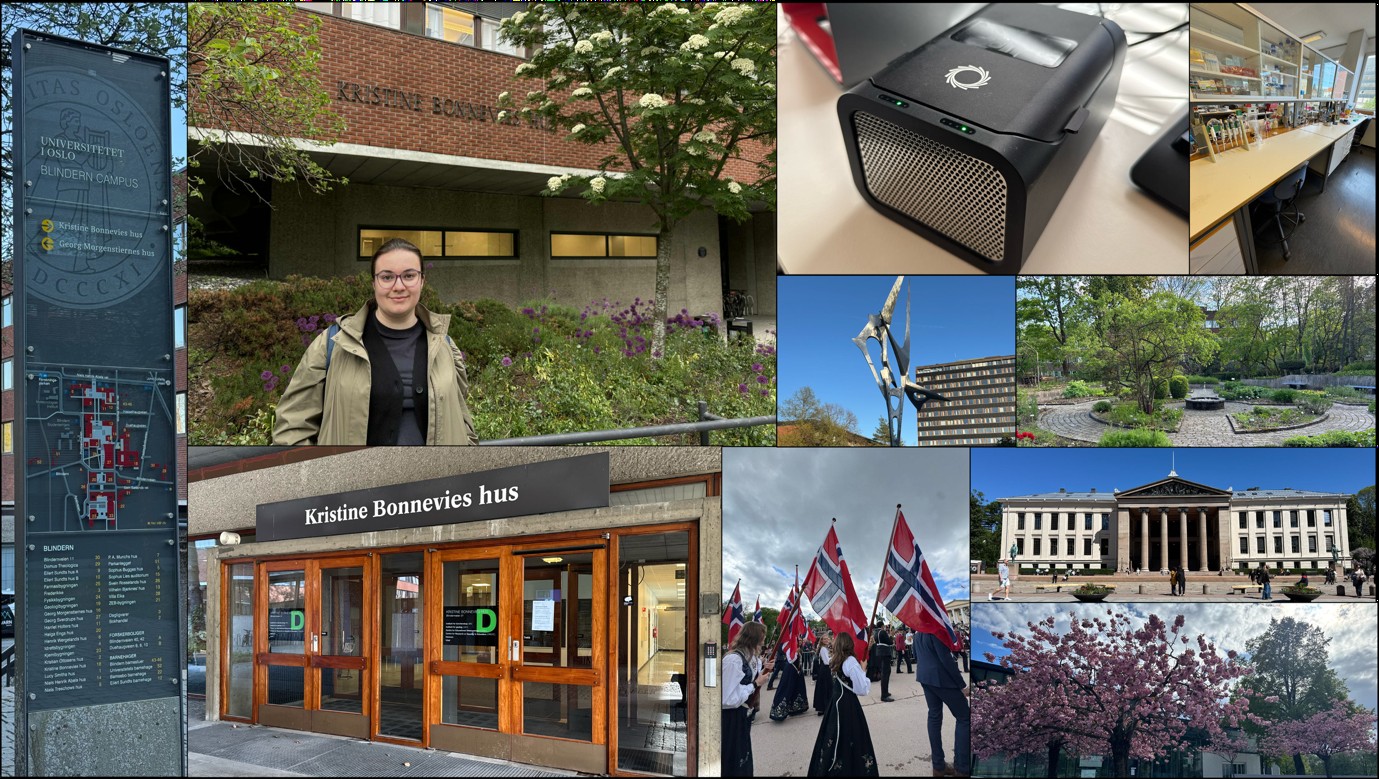
The latter process is the central focus of this project, where in collaboration with the group led by prof. Eivind Valen at the University of Oslo, I tried to explore the significance of transcript-processing factors by employing the long-read Nanopore sequencing (ONT). The mobility taught me how to prepare libraries used for Nanopore sequencing and perform bioinformatic analyses on the acquired data. Thanks to the expertise of Dr Kersti Nilsson and Mihail Zdravkov, I was able to troubleshoot the protocol and analyse the data specific to direct cDNA sequencing. During data analysis we saw transcripts of expected structure, which confirmed that ONT is the correct tool to answer our research question.

This mobility was a great opportunity to learn the state-of-the-art sequencing techniques, exchange scientific ideas and build a long-lasting collaboration.

Read more: State-of-the-art sequencing techniques
MD

Marta Dilling

PhD Student • IBB

12th SCAR Open Science Conference
Norwegian Polar Institute, Norway

12th SCAR Open Science Conference

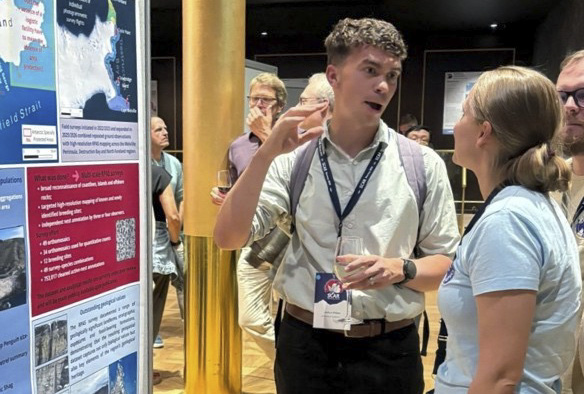
During my mobility in Oslo, I participated in the 12th SCAR Open Science Conference, one of the major international meetings devoted to Antarctic research. I attended sessions on wildlife monitoring, remote sensing, artificial intelligence and environmental change, and presented my own research through conference contributions and posters. The meeting provided valuable inspiration for further developing research on the use of drones, satellite imagery and spectral data for monitoring Antarctic ecosystems and bird colonies. It also created opportunities to establish and strengthen international scientific contacts, discuss new methodological approaches and identify possibilities for future collaborative research. Co-convening a scientific session additionally strengthened my organisational and scientific communication skills.

Read more: 12th SCAR Open Science Conference
KF

Katarzyna Fudala

Research staff • IBB

Research Internship
University of Crete, Institute of Molecular Biology and Biotechnology (IMBB-FORTH),

Research Internship

Plants canot runaway from stress. When conditions turn hostile, plat cells rapidly build tiny droplet-like compartments, called stress granules, which shelter their most valuable molecules until the danger passes. My PhD asks whether bacteria have learned to hijack these shelters. During four weeks in Heraklion, in the laboratory of Prof. Pantagiothis Moschou, I learned a technique that lets a protein tag everything it touches inside a living cell, so that its neighbours can be identified afterwards. We adapted this method, developed there for a related structure, o the stress granules I study, and worked out the controls it needs.

Read more: Research Internship
CH

Chablina Hazarika

PhD Student • IBB

Winter School - new insight into DNA damage and repair processes
Ecole Normale Superior- PSL University

Winter School - new insight into DNA damage and repair processes

During the mobility, I took part in the PSL-Qlife Winter School on quantitative approaches to DNA damage and repair, which was a very valuable experience for me. I attended lectures, practical sessions, and poster discussions led by leading researchers in the field, including Dana Branzei and others. This gave me a chance to learn more about DNA damage, repair processes, telomere length, DNA breaks, and cellular aging, all of which are closely related to my PhD work. I also learned about new quantitative tools and data analysis methods that can help me better understand my own research data. Beyond the scientific content, the mobility was useful because it allowed me to meet experts in person, exchange ideas, and receive feedback on my research. Overall, it was both educational and motivating, and it strengthened my interest in continuing work in this field.

Read more: Winter School - new insight into DNA damage and repair processes
JD

Jaivik Dave

PhD Student • IBB

Research Internship - new expertise  in modern molecular plant biology methods
Leibniz Institute of Plant Biochemistry

Research Internship - new expertise in modern molecular plant biology methods

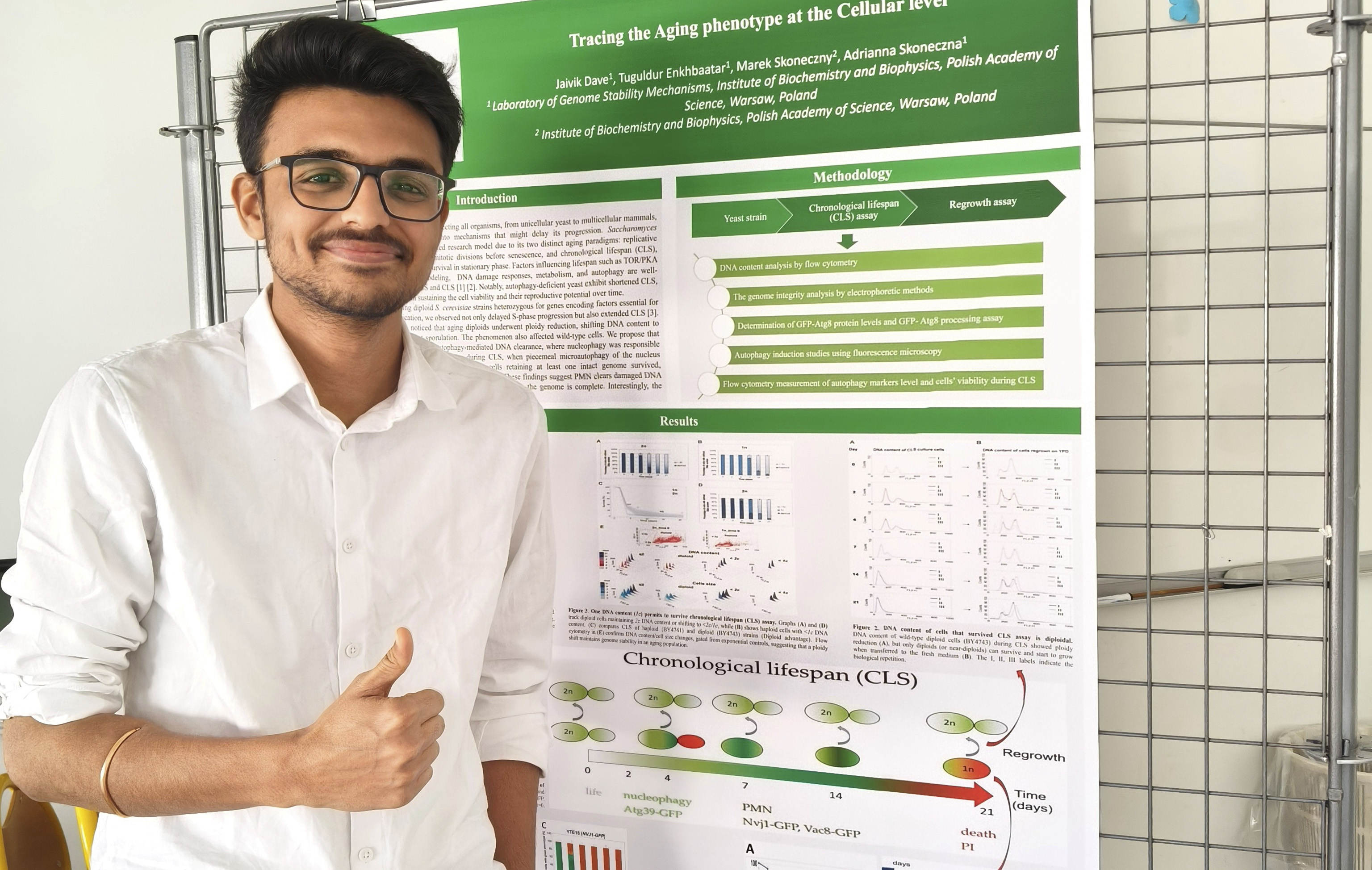
During a four-week research internship at the Leibniz Institute of Plant Biochemistry in Halle (Saale), Germany, I expanded my expertise in modern molecular plant biology methods and applied them to my PhD project. The main objective of the internship was to identify plant proteins targeted by a bacterial virulence factor involved in the infection process. Working alongside experienced researchers, I learned a new experimental approach and successfully obtained promising results that will strengthen the scientific quality of my doctoral dissertation. The internship also provided an opportunity to exchange ideas in an international research environment, present my work and establish new professional contacts. The experience demonstrated how research mobility facilitates knowledge transfer, fosters international collaboration and contributes to the development of young scientists.

Read more: Research Internship - new expertise in modern molecular plant biology methods
MJ

Martyna Jonak

PhD Student • IBB

Science isn't about pipettes. It's about people.
Gordon Research Conference

Science isn't about pipettes. It's about people.

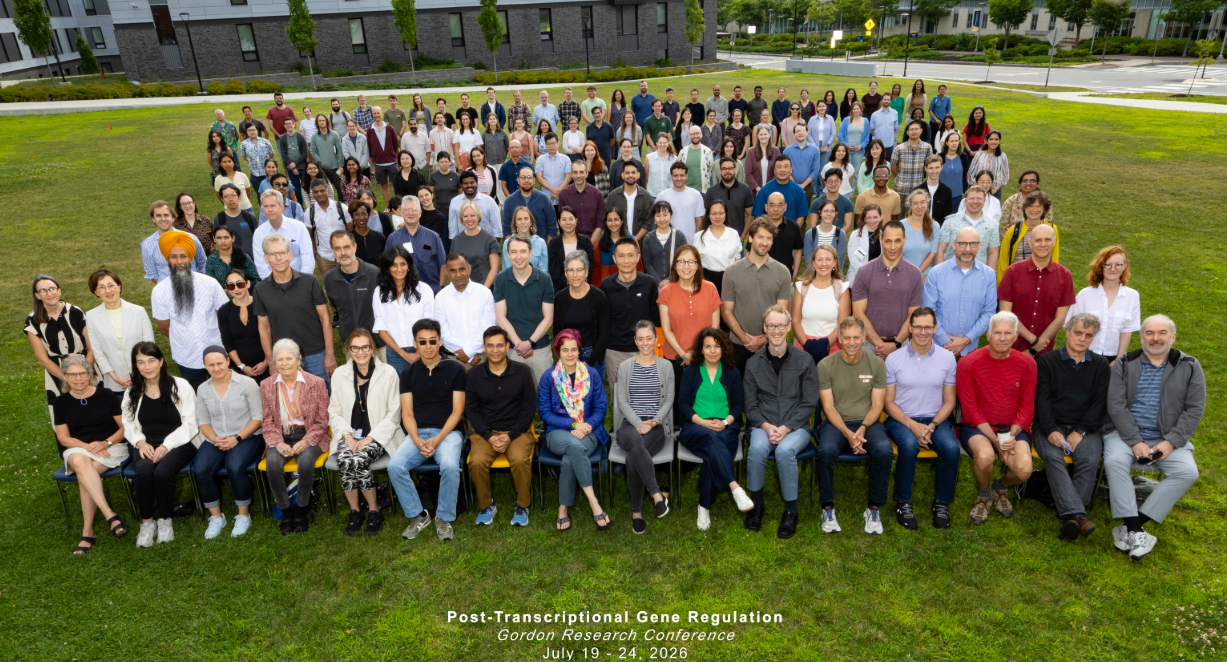
Thanks to the PROM programme I travelled to Portland, Maine, USA, this July for the Gordon Research Conference on Post-transcriptional gene regulation. What struck me was the range: nine sessions, every session on RNA, each looking at it from a completely different direction. How RNA is modified, folded, transported and destroyed, how cells use it to respond to stress, how AI is beginning to predict its behaviour, and how all of it is being turned into new medicines. One molecule, and an entire field's worth of questions.

What did I take away? Exposure to research that hasn't been published yet, and a much clearer sense of where my own field is heading. New methods I hadn't worked with before, and a better idea of which ones are worth learning. Feedback on my own results from people who know the questions inside out — the kind you can't get from a paper. And conversations with researchers I'd previously only known as names on publications, some of which may lead somewhere.

Biggest takeaway: science isn't about pipettes. It's about people.

Read more: Science isn't about pipettes. It's about people.
KW

Kevork Wakimian

PhD Student • IBB

Insight into how changes in blood stem cells can contribute to aging and disease
Goethe University (ISEH)

Insight into how changes in blood stem cells can contribute to aging and disease

Thanks to the PROM programme, I had the opportunity to attend a scientific conference focused on clonal hematopoiesis, acute myeloid leukemia (AML), and blood stem-cell biology. The experience gave me a broader view of how changes in blood stem cells can contribute to aging and disease. As my PhD focuses on understanding how splicing factors influence clonal hematopoiesis, the discussions were particularly relevant to my research. I was especially inspired by Dr. Nina Cabezas-Wallscheid’s work on a rare LT-HSC population and by discussions about the heterogeneity of AML. These talks encouraged me to think about whether similar cellular heterogeneity exists in clonal hematopoiesis and what role these rare stem-cell populations may play. Beyond the scientific knowledge, presenting my work and exchanging ideas with researchers from different backgrounds improved my confidence, communication skills, and helped me develop new perspectives for my PhD research.

Read more: Insight into how changes in blood stem cells can contribute to aging and disease
AK

Ankita Kumari

PhD Student • IBB

Show more